Industry financing / Trucking & transport
Trucking and transport financing in Canada
Canadian trucking businesses can use equipment financing for trucks and trailers, invoice factoring for eligible B2B receivables, or business loans for broader operating needs. The right path depends on whether the immediate constraint is an asset purchase, an unpaid invoice, or working capital.
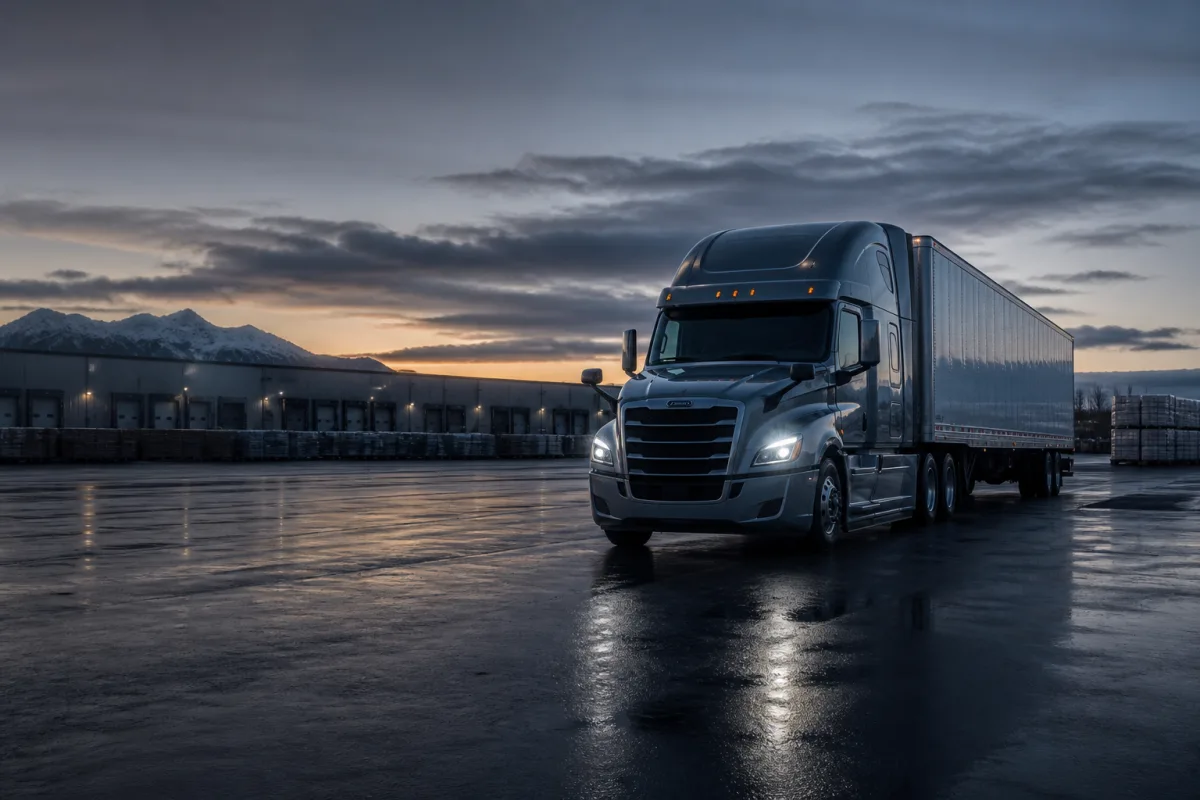
How do trucking companies finance used trucks in Canada?
A trucking company can finance an eligible used truck through an equipment loan or lease structured around the business, the asset, the seller, and the proposed purchase. Dealer, private-sale, and auction transactions can each be reviewed, while documentation and any appraisal or inspection depend on the file.
The Nex equipment brief separates the asset type, condition, source, and price from optional make, model, year, and mileage details. That keeps the first submission concise while giving an operator room to identify the exact unit.
Current truck catalog examples include Freightliner Cascadia, M2 106, 114SD; Volvo VNL 760, VNL 860, VNR; and Kenworth T680, T880, W900. These are selectable catalog terms, not a promise that any particular unit will qualify. Start a truck equipment brief.
What truck and trailer details belong in a financing brief?
A useful trucking equipment brief identifies whether the asset is a truck, trailer, or other equipment, then states its condition, source, and price. Make, model, year, and truck mileage in kilometres are optional details that can help Nex understand the exact transaction.
The current trailer catalog includes Great Dane, Utility, Wabash, Hyundai Translead, Stoughton, Vanguard, Fontaine. Available trailer descriptions include dry van, reefer, flatbed, and lowboy where those terms belong to the selected manufacturer. Start a trailer equipment brief.
If the asset is outside the catalog, the application provides an Other path for free-text make and model instead of forcing an inaccurate selection.
How can invoice factoring support trucking cash flow?
Invoice factoring can provide earlier access to cash from eligible B2B freight invoices after work has been completed and invoiced. The facility depends on invoice eligibility, customer payment behaviour, concentration, volume, recourse terms, and verification.
Factoring can be considered when the cash-flow gap is tied to customer payment timing rather than the purchase of a truck or trailer. It is a receivables facility, so it should be compared on the advance, reserve, fee basis, recourse, and collection process stated in the proposal.
When does a business loan fit a trucking company?
A business loan may fit when a carrier needs capital for payroll, insurance, repairs, fuel, expansion, or another operating purpose that is not tied to one equipment purchase or eligible invoice. Amount, cost, term, security, and repayment cadence remain subject to the chosen product and underwriting.
Business-loan applications continue in the Nex client portal. Equipment and factoring requests remain in their dedicated on-site Smart Apply lanes.
Compare the file
Which trucking financing path fits the need?
Start with the source of the need: a specific asset points to equipment financing, eligible unpaid B2B freight invoices point to factoring, and a broader operating plan points to business-loan products.
01
Truck or trailer purchase
Compare an equipment loan or lease around the asset, seller, condition, price, and expected business use.
02
Eligible freight invoices
Compare factoring terms around invoice eligibility, advance, reserve, fees, recourse, and collections.
03
Fleet operating capital
Compare business-loan structures by amount, total cost, term, security, and repayment schedule.
04
Equipment already owned
Review refinance or sale-leaseback when the goal is to restructure eligible owned equipment.
Choose a lane
Where should a trucking operator start?
Choose the lane that matches the file today; Nex can explain adjacent structures after reviewing the initial brief.
Your credit is only checked when you send your application to the lender you choose.
Business loans: Free · about 10 minutes · opens the Nex application portal.
Industry FAQ
What else do trucking operators ask about financing?
These answers clarify the transaction details, routing, and underwriting boundaries that matter before an operator submits a brief.
Can Nex review a private-sale truck?
Yes. A private-sale truck can be reviewed through the equipment lane. The business, asset, seller, price, and any required inspection, appraisal, or ownership documentation determine the next steps.
Can a trailer be financed separately from a truck?
A trailer can be submitted as its own equipment request. Select Trailer, then provide the condition, source, price, and any available make, model, or year details.
Does an equipment request require truck mileage?
No. Mileage in kilometres is an optional truck detail in the initial equipment brief. Nex may request additional asset information when it is relevant to a financing provider’s review.
Does factoring work for consumer invoices?
The Nex factoring path is designed around eligible B2B invoices. Invoice eligibility, customer quality, concentration, volume, verification, and facility terms all affect whether factoring is suitable.
Does submitting a trucking brief guarantee financing?
No. A submission requests specialist review and is not an approval, lender commitment, or obligation. Any offer and its amount, pricing, term, security, and timing remain subject to underwriting.
Can trucking businesses compare more than one financing structure?
Yes. Nex can help compare equipment, receivables, and business-loan paths when more than one structure may address the need. Each proposal should be compared on its complete terms.
Ready to compare trucking business-loan paths?
Use the Nex application portal when the need is broader working capital rather than a specific asset or eligible invoice.
Start my business-loan brief