Industry financing / Manufacturing
Manufacturing financing for Canadian producers
Manufacturers can use equipment financing for eligible machinery and production assets or business loans for inventory, expansion, and operating capital. The right path depends on whether the requirement is tied to a specific asset or to the wider production cycle.
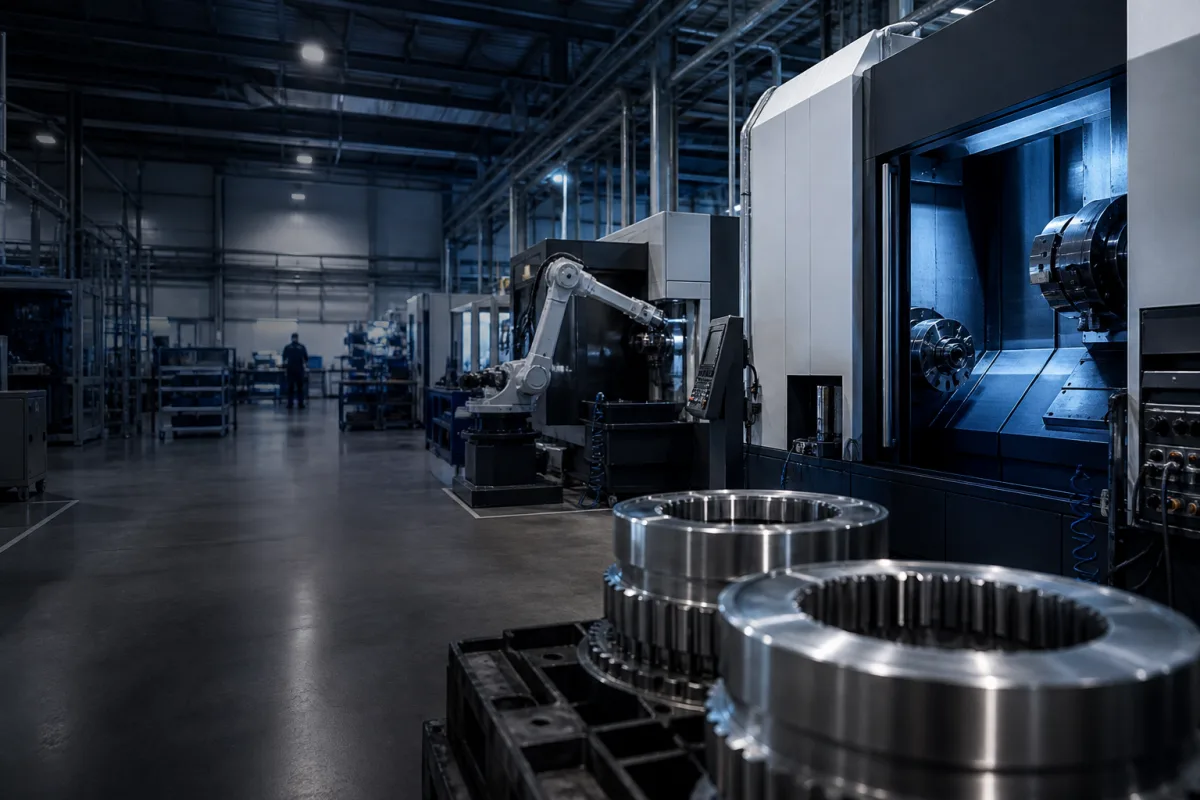
How do manufacturers finance production equipment?
A manufacturer can finance eligible production equipment through a loan or lease structured around the asset, seller, condition, purchase price, and expected business use. Refinance and sale-leaseback may also be reviewed for eligible equipment already owned by the business.
The initial equipment brief should identify the transaction accurately and avoid assuming a useful life, residual value, or qualification outcome. Those details belong to the provider’s asset and credit review.
What financing can support inventory and production cycles?
Business-loan and asset-backed structures may support eligible inventory, supplier deposits, labour, or other operating needs across a production cycle. The appropriate facility depends on cash flow, security, order visibility, existing obligations, and underwriting.
Should a manufacturer choose a loan, lease, or refinance?
A loan may suit planned ownership, a lease defines use and an end-of-term option, and refinance restructures financing on equipment already owned or being paid off. Compare payment schedule, total cost, security, flexibility, and end-of-term obligations together.
Compare the file
Which manufacturing financing path fits the investment?
Use the asset path for a defined machine and the business-loan path for a production or growth plan that spans several costs.
01
New production asset
Compare equipment loan and lease proposals around ownership, total cost, term, and end option.
02
Used machinery
Describe the asset, source, condition, price, and any available supporting information.
03
Inventory or operating cycle
Compare working-capital and asset-backed paths using the business’s cash-flow context.
04
Equipment already owned
Review refinance or sale-leaseback with ownership, lien, payout, and asset-value details.
Choose a lane
Where should a manufacturer start?
Start in the equipment lane for a defined machinery transaction or in the portal for inventory, expansion, and broader working-capital needs.
Your credit is only checked when you send your application to the lender you choose.
Business loans: Free · about 10 minutes · opens the Nex application portal.
Industry FAQ
What do manufacturers ask about financing?
These answers clarify common asset and operating-capital decisions before a manufacturing business submits a brief.
Can used manufacturing machinery be reviewed?
Yes. Eligible used machinery can be reviewed based on the business, asset, seller, condition, price, intended use, and any inspection or appraisal required by the financing provider.
Can installation costs be included?
Installation and related costs should be identified in the transaction brief. Whether they can be included depends on the asset, invoice, proposed structure, and financing provider’s underwriting.
Can owned machinery support working capital?
Eligible owned machinery may support a refinance or sale-leaseback review. Ownership, liens, payout details, asset value, cash flow, and the complete proposed structure determine the available path.
Is an equipment lease always better for cash flow?
No. A lease and loan can differ in payment schedule, total cost, tax treatment, ownership, residual, and end option. Compare the complete proposal and confirm tax treatment with an accountant.
Does submitting a manufacturing brief guarantee approval?
No. Submission requests a Nex specialist review. Any offer, amount, pricing, term, security, and timing remain subject to underwriting by the selected financing provider.
Ready to compare manufacturing business-loan paths?
Use the Nex application portal when the funding plan spans inventory, production, hiring, or expansion rather than one asset.
Start my business-loan brief